Hinduism in Belgium
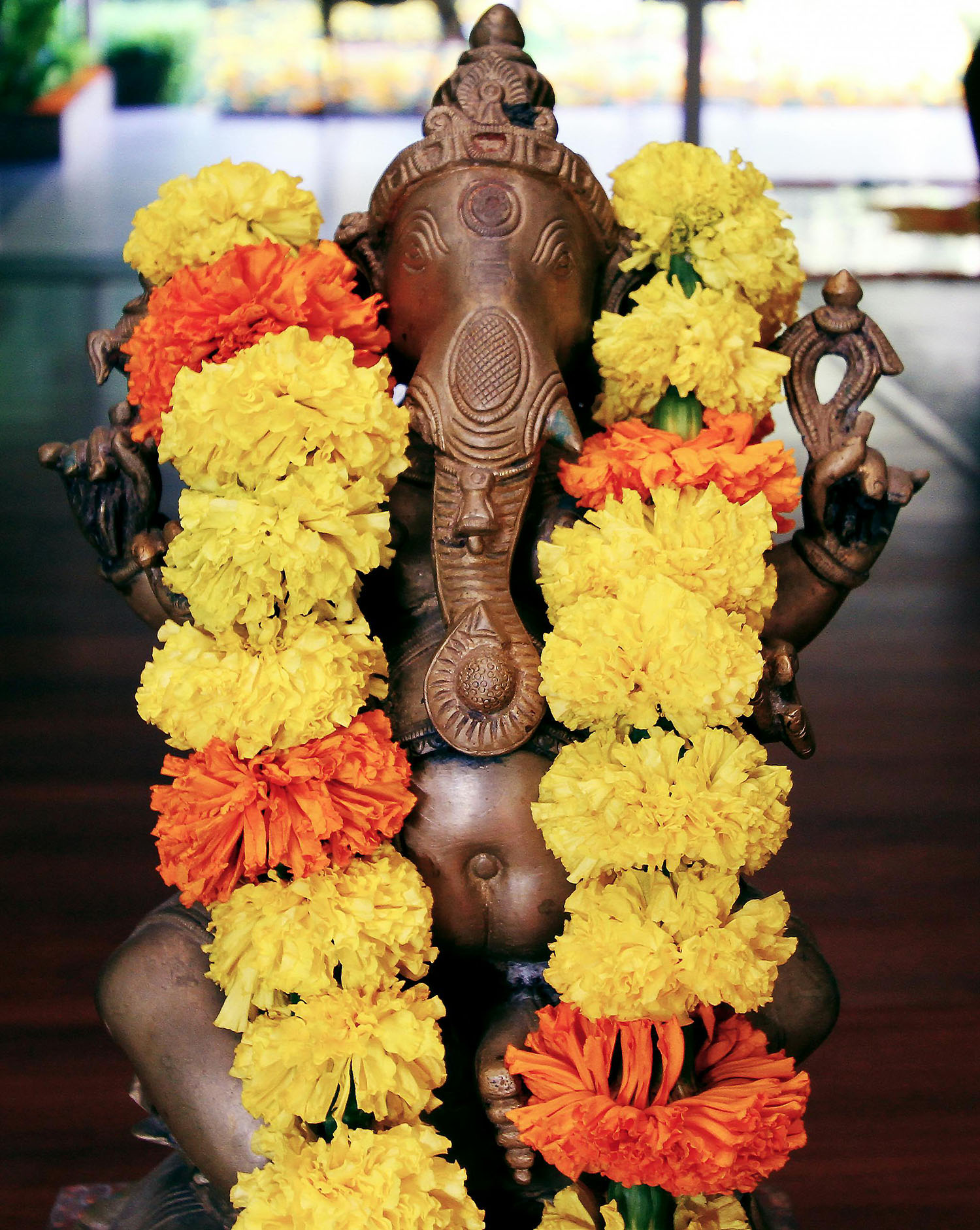
Overview
A living tradition shaped by diverse communities
Hinduism is one of the world’s oldest living spiritual traditions, with a long history of philosophical, cultural and religious diversity. In Belgium, Hindu communities have developed gradually over the past decades, shaped by different waves of migration and a wide range of cultural backgrounds. Today, Hinduism is practiced across the country by people of Indian, Nepalese, Sri Lankan, Mauritian and other origins.
Hindu communities in Belgium contribute actively to social, cultural and civic life. Through temples, cultural associations and community initiatives, they help foster dialogue, solidarity and mutual understanding, while preserving rich spiritual and cultural traditions.
Historical Presence in Belgium
Hinduism has been present in Belgium for several decades. Over time, Hindu communities have established places of worship, associations and networks across the country.
1960s–1970s
Early presence and first arrivals
The first visible Hindu presence in Belgium emerges with the arrival of Indian diamond traders in Antwerp. During the same period, Western spiritual seekers show growing interest in yoga, Vedanta and other Hindu philosophical traditions.
1980s–2000s
Migration and community formation
New waves of migration from India, Nepal, Sri Lanka, Mauritius, Bangladesh and Afghanistan contribute to the growth of Hindu communities. Temples, cultural centres and associations begin to emerge in major cities, structuring religious and community life.
2010s–today
Consolidation and public presence
In recent years, the number of professionals and entrepreneurs of Hindu background has increased, notably in sectors such as IT, science, commerce and services. Hindu traditions have become more visible in Belgian public life through cultural events, festivals and community initiatives.


Contributions to Belgian Society
Hindu communities contribute to Belgian society in many fields, from culture and education to social engagement and dialogue. These contributions reflect a long-standing commitment to well-being, solidarity and shared values, expressed through both individual initiatives and collective action.
Cultural Life and Festivals
Diwali
Festival of lightsDiwali celebrates the victory of light over darkness and good over evil. Families and communities gather to light lamps, share food, and mark new beginnings.
Krishna Janmashtami
Celebration of Krishna’s birthJanmashtami marks the birth of Sri Krishna. The festival combines prayer, music, dance and storytelling, highlighting values such as compassion, joy and service.
Holi
Festival of coloursHoli is a joyful celebration of spring. People come together to share colours, music and laughter, symbolising equality and friendship beyond social or cultural boundaries.
Diwali
Festival of lightsDiwali celebrates the victory of light over darkness and good over evil. Families and communities gather to light lamps, share food, and mark new beginnings.
Krishna Janmashtami
Celebration of Krishna’s birthJanmashtami marks the birth of Sri Krishna. The festival combines prayer, music, dance and storytelling, highlighting values such as compassion, joy and service.
Holi
Festival of coloursHoli is a joyful celebration of spring. People come together to share colours, music and laughter, symbolising equality and friendship beyond social or cultural boundaries.
Navaratri
Celebration of the feminine divineNavaratri honours the many forms of the Divine Feminine. Through dance, music and devotion, communities come together to reflect on values such as courage and wisdom.
Rathayatra
Chariot processionRathayatra is a public procession of sacred chariots drawn through the streets. Open to everyone, it transforms public space into a moment of shared celebration.
Navaratri
Celebration of the feminine divineNavaratri honours the many forms of the Divine Feminine. Through dance, music and devotion, communities come together to reflect on values such as courage and wisdom.
Rathayatra
Chariot processionRathayatra is a public procession of sacred chariots drawn through the streets. Open to everyone, it transforms public space into a moment of shared celebration.
Beliefs, Practices, and Diversity
Beliefs, Practices, and Diversity
In Belgium, Hindu life is lived through everyday practices, family traditions, and community gatherings. Across temples, homes, and cultural associations, people come together for prayer, festivals, learning, and mutual support. These practices reflect a wide range of cultural backgrounds and spiritual paths, while sharing common values such as respect, responsibility, and continuity between generations.
Many paths, one tradition
Hinduism brings together a wide range of philosophies, practices, and spiritual paths. This diversity allows individuals and families to live their faith in ways that feel meaningful to them.
Shared values and ethics
Respect for life, compassion, responsibility, and harmony with others are central values. These principles guide everyday behaviour and community life.
Daily spiritual practices
Common practices include prayer, meditation, rituals at home or in temples, and the celebration of festivals that mark key moments of the year.
Cultural and linguistic diversity
Hindu communities in Belgium reflect many cultural backgrounds and languages, including traditions from India, Nepal, Sri Lanka, Mauritius, and beyond.
Community and transmission
Families, temples, and associations play an important role in passing on traditions, values, and cultural knowledge to younger generations.